

North Texas summers have a way of changing how you feel about your house. Rooms that seemed cozy in February can suddenly feel dark and heavy in July. Thick blankets become the enemy, afternoon sunlight pours through west-facing windows, and everyone seems to migrate toward whichever room has the best ceiling fan.
Fortunately, you do not need to remodel your house to make your home feel cooler during the summer.
A few seasonal changes to color, fabrics, furniture, lighting, and clutter can make a surprising difference in how comfortable a room feels. Some changes can also help reduce the amount of direct heat entering the house, while others simply create a brighter, lighter atmosphere that feels better when it is 95 degrees outside.
For homeowners in Plano, Richardson, Carrollton, and throughout North Texas, here are some easy ways to give your home a summer reset without turning it into a major project.
Use Lighter Colors and Softer Textures
One of the easiest ways to make your home feel cooler is to change some of the visual weight in the room.
Think about what makes a home feel comfortable in December: thick throws, dark pillows, layered rugs, warm colors, heavy curtains, and lots of texture. Those same things can start to feel a little overwhelming once summer arrives.
You do not have to replace everything. Start by removing a layer or two.
Fold heavy blankets and store them until fall. Swap velvet or chunky pillows for cotton or linen-look fabrics. If you have several dark accessories grouped together, replace a few with lighter pieces in white, cream, soft blue, pale green, or sandy neutral tones.
These changes do not actually lower the thermostat, of course. They change the visual temperature of the room.
Paint color can have the same effect. Warm beige, deep brown, dark gray, and saturated colors can create a cozy atmosphere, while softer whites, pale greiges, muted blues, and subtle greens often make a room feel brighter and less enclosed.
Natural light also tends to interact differently with lighter colors, which can help rooms feel more open during long summer days.
This is especially noticeable in open-concept homes. A lighter wall color can visually connect the kitchen, breakfast area, and living room instead of making each space feel heavy on its own.
Homeowners considering a more permanent color change can browse PaintMor Painters’ interior painting services for ideas, but you can accomplish quite a bit first with textiles and accessories you already own.
Control Sunlight Without Making Rooms Dark
Blocking sunlight sounds like an obvious way to keep a room comfortable, but there is a downside to closing every blind in the house: suddenly it feels like a cave.
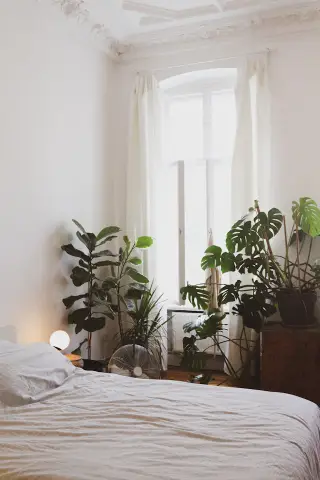 The better approach is to manage sunlight based on where it enters.
West-facing windows usually become much more noticeable later in the day. South-facing windows may receive strong sun for long periods. Other windows may provide plenty of daylight without adding the same intense afternoon glare.
Instead of treating every window the same, pay attention to when individual rooms begin feeling warmer.
Close blinds, shades, or curtains on the windows receiving direct sun while leaving less-exposed windows open for natural light. This lets you make your home feel cooler without sacrificing the bright, relaxed atmosphere that makes summer interiors appealing.
The U.S. Department of Energy includes window coverings, shading, and fans among its practical strategies for improving comfort during hot weather. Its summer energy-saving guidance is worth a look if you want to go beyond decorating changes and think about how your home handles summer heat.
Curtain material matters visually, too. Heavy dark drapes can feel out of place during summer even when they are doing a good job blocking the sun. Layered window treatments can give you more flexibility. For example, a shade can control direct sunlight while lighter curtains soften the room.
You get the practical benefit of shade without making the room feel closed off all day.
Declutter Rooms That Feel Heavy
Sometimes the room is not too dark. It just has too much stuff in it.
Summer is a great excuse to simplify.
You may not notice visual clutter when you live with it every day, so try taking a photo of the room with your phone. The picture often makes crowded surfaces and awkward corners easier to spot.
Look at coffee tables, kitchen counters, bookshelves, entry tables, and fireplace mantels. You do not need to strip them bare. Just remove enough that your eye has somewhere to rest.
A useful summer rule is to leave some empty space on purpose to make your home feel cooler.
Instead of six decorative objects on a console, try three. Store extra baskets and blankets. Put away some of the framed photos or seasonal accessories and rotate them back later.
Reducing visual clutter is one of the simplest cool home ideas because it costs nothing and can make the room immediately feel larger.
The same idea applies to furniture. A living room packed with extra chairs, side tables, floor lamps, and storage pieces can feel tighter than it needs to.
If a piece rarely gets used, try moving it to another room for a week. You may discover that the extra open floor space makes the entire room feel more comfortable.
These kinds of changes can be particularly helpful in older homes in Richardson, where individual rooms may be more defined than in newer open-concept floor plans.
Rearrange Furniture for Better Airflow
Furniture placement affects more than appearance.
Walk around your living room and bedrooms and check whether sofas, chairs, beds, curtains, or other furnishings are blocking supply or return vents. Even a piece of furniture sitting too close to a vent can interfere with how freely air moves through the room.
Then look at your ceiling fans.
Fans do not actually reduce the temperature of the room. Instead, moving air across your skin helps you feel cooler. That makes them particularly useful in rooms where people spend a lot of time.
During summer, make sure the fan is rotating in the direction recommended by its manufacturer for warm-weather use. On many common ceiling fans, that means creating a downward breeze.
You can also rethink where people sit.
If your favorite reading chair is directly beside a sunny window, moving it a few feet may make afternoon reading much more pleasant. If the family sofa sits in an area with poor air circulation, shifting the furniture slightly may help.
You do not need to redesign the floor plan. Sometimes moving one chair and opening a pathway is enough to make your home feel cooler and less crowded.
This is a good weekend experiment because nothing is permanent. Rearrange the room, live with it for a few days, and move things back if it does not work.
Add Summer-Friendly Décor to Make Your Home Feel Cooler
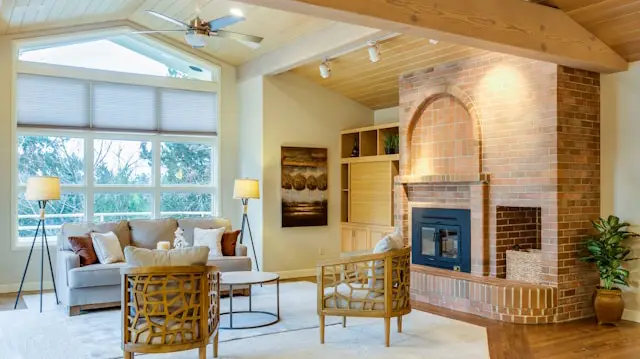 Summer décor does not have to mean covering the house in seashells and nautical stripes.
The easiest approach is to bring in colors and materials that feel lighter.
Natural wood, woven baskets, cotton, linen, glass, and simple ceramics tend to work well because they add texture without feeling visually heavy. Greenery can have a similar effect.
A few well-placed indoor plants can make a room feel fresher and connect the interior with the green landscape outside. They should be treated as décor rather than a substitute for air conditioning or ventilation, but they are an easy way to change the mood of a room.
If you are choosing plants for North Texas interiors, Texas A&M AgriLife maintains an indoor gardening resource with information about selecting and caring for plants indoors.
You can also change your artwork for the season. A landscape, abstract print with softer colors, or even a collection of family vacation photos can completely shift the feel of a room without changing the furniture.
Glass vases and lighter decorative objects reflect natural light instead of visually absorbing it. Even something as simple as replacing a dark lampshade can brighten a corner.
The goal is not to create a themed summer house. It is to remove some of the visual weight that feels comfortable in cooler months and replace it with pieces that make the space feel relaxed.
Use Color to Create Better Summer Home Comfort
Color deserves a little more attention because it has such a strong influence on how we experience a room.
If you want to make your home feel cooler, start with the rooms where your family spends summer afternoons. Living rooms, kitchens, home offices, playrooms, and bedrooms are usually better candidates than rarely used formal spaces.
Cool-toned colors such as muted blue, sage, blue-gray, and certain soft whites can create a calmer visual atmosphere. But do not assume every cool color will work in every North Texas home.
Natural light changes color dramatically.
A pale gray that looks crisp in one room may turn blue in another. A white that appears bright in morning light may develop a warmer tone late in the afternoon. Flooring, cabinets, countertops, and furniture also influence how wall colors appear.
Test samples on more than one wall and look at them in the morning, afternoon, and evening before making a decision.
Homeowners in Plano often have large open living areas where one paint color needs to work across several lighting conditions. In those spaces, slightly softened whites and neutrals can sometimes be easier to live with than extremely cool colors.
The idea is not to make the room physically colder with paint. It is to create an interior that looks brighter, cleaner, and less visually heavy during the hottest months of the year.
Create a Few “Cool Zones” Around the House
Not every room needs the same summer treatment to make your home feel cooler.
Instead, identify two or three areas where your family naturally gathers and make those spaces especially comfortable.
Maybe it is the living room during the afternoon, the kitchen in the evening, and a media room after dinner. Concentrating your efforts there is more practical than trying to redesign the entire house.
A simple cool zone might include a ceiling fan, closed blinds on the sunny side, lighter pillows, less clutter, easy access to cold drinks, and enough seating that people can spread out.
Bedrooms deserve attention too.
Lightweight bedding can make a big difference in how a bedroom feels. Remove unnecessary layers and switch heavier comforters for lighter blankets or quilts appropriate for the season.
If you live in Carrollton, Plano, or Richardson, where summer afternoons can keep families indoors for long stretches, creating a few comfortable gathering places can make home life feel considerably more relaxed.
You are designing around how the house is actually used rather than trying to make every room magazine-ready.
Small Updates That Help Your Home Feel Fresh
The final step is to look for small things that quietly make rooms feel tired.
Wash dusty ceiling fan blades. Clean interior windows. Wipe baseboards. Remove fingerprints around light switches. Straighten crooked blinds. Replace a tired doormat. Clear the pile that has been sitting near the stairs since spring.
These projects are not glamorous, but they work to make your home feel cooler.
You can also use lighting to improve summer home comfort after sunset. If a room has several harsh overhead lights, try using table and floor lamps instead. Softer pools of light can create a relaxed evening atmosphere without making the house feel dim.
Consider replacing very warm or mismatched bulbs so that lighting feels consistent from one area to another. You do not necessarily need extremely cool white light; the goal is simply to avoid a room feeling muddy or overly yellow if the rest of your summer palette is light and fresh.
Then step outside the room and walk back in.
Does anything immediately feel too dark, crowded, heavy, or out of place?
That first impression is useful. You may discover that the solution is not another purchase. It may be removing an accessory, moving a chair, opening a shade, or putting away a rug until October.
You Don’t Need a Major Remodel to Make Your Home Feel Cooler
There is a difference between lowering the actual temperature inside a home and making the space feel cooler, brighter, and more comfortable. The best North Texas summer strategy usually involves a little of both.
Use window treatments to manage direct sunlight. Take advantage of ceiling fans when rooms are occupied. Avoid blocking vents. Then tackle the visual side with lighter fabrics, simpler surfaces, greenery, summer-friendly décor, and colors that feel less heavy.
Most importantly, do not feel like you have to change everything at once.
Pick one room this weekend. Remove a few winter accessories, clear unnecessary clutter, adjust the furniture, and see how the space feels. Then move to the next room if you like the result.
The best North Texas summer home tips are usually the ones simple enough to actually use. And when August arrives and stepping outside feels like opening an oven door, having a home that feels bright, calm, and comfortable is worth the effort.