
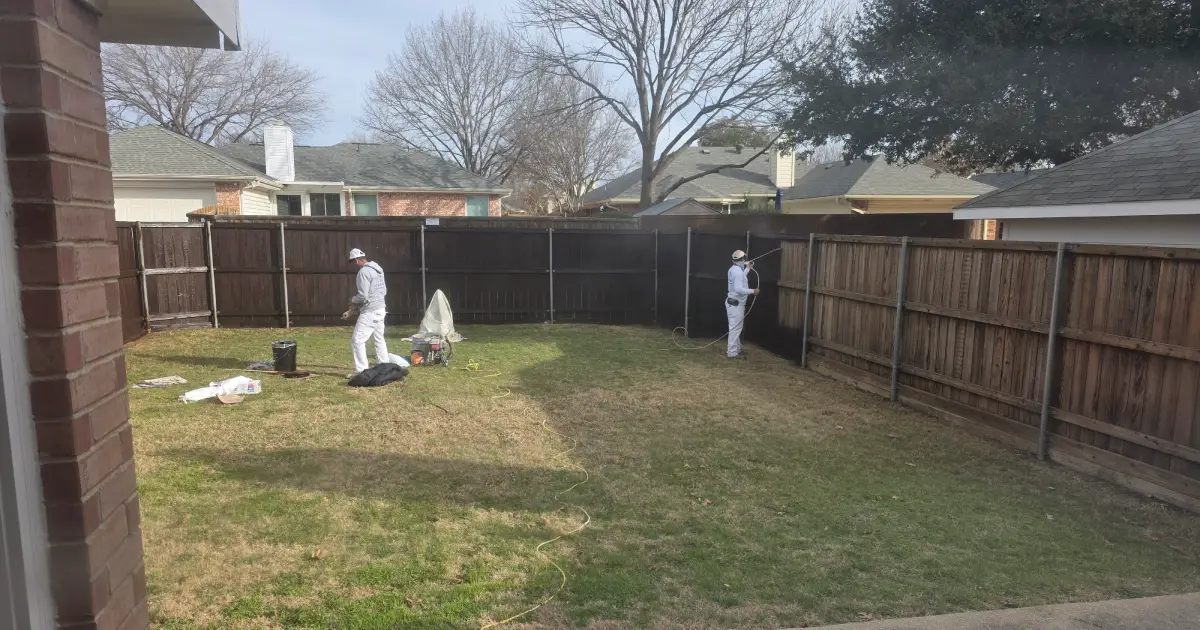
As winter fades and warmer weather begins to settle across North Texas, homeowners start turning their attention outdoors. Lawns need care, patios get cleaned, and fences—often overlooked—begin to show the effects of months of exposure. If your fence looks faded, dry, or weathered, spring is the ideal time to consider fence staining.
Fence staining is one of the most effective ways to protect your investment while improving your home’s overall appearance. In North Texas, where fences endure intense sun, fluctuating temperatures, and seasonal moisture, timing plays a critical role in how well your stain performs.
In this guide, we’ll break down why spring is the best season for fence staining, how to know when your fence is ready, and what homeowners should consider to ensure long-lasting results.
Why Fence Staining Is Essential for North Texas Homes
Wood fences are a staple across North Texas neighborhoods. They provide privacy, security, and a clean boundary around your property. However, without proper maintenance, wood quickly deteriorates.
Fence staining serves several key purposes:
- Protects wood from UV damage
- Prevents moisture absorption and rot
- Reduces cracking, warping, and splitting
- Enhances the natural beauty of the wood
- Extends the overall lifespan of the fence
Without fence staining, wood fences in North Texas can begin to show wear in as little as one year. The combination of intense summer heat and occasional rainstorms accelerates the aging process. Applying stain regularly creates a protective barrier that helps your fence withstand these environmental factors.
Why Spring Is the Best Time for Fence Staining
Timing is one of the most important factors in successful fence staining. While staining can technically be done in multiple seasons, spring offers the most balanced conditions in North Texas.
Moderate Temperatures
Spring temperatures typically fall within the ideal range for fence staining. Extreme heat in summer can cause stain to dry too quickly, leading to uneven application. Cold winter temperatures, on the other hand, can slow curing. Spring provides a middle ground where stain can penetrate the wood properly and cure evenly.
Lower Humidity Compared to Summer
Humidity affects how well stain adheres to wood. High humidity can trap moisture in the wood, preventing proper absorption. In early to mid-spring, North Texas often experiences lower humidity levels than summer, making it a great time for fence staining.
Wood Is Ready After Winter Exposure
After months of winter weather, fences are often dry and ready to absorb stain effectively. Fence staining during this window allows the wood to fully benefit from the protective properties of the stain.
Prepares Your Fence for Summer Heat
North Texas summers are intense. Fence staining in spring ensures your fence is protected before the strongest UV exposure hits. This proactive approach helps prevent fading and damage later in the year.
Signs Your Fence Is Ready for Fence Staining
Not every fence needs staining at the same time. Knowing when your fence is ready helps ensure the best results.
Here are common signs that indicate it’s time for fence staining:
Faded or Gray Appearance
If your fence has lost its original color and appears gray or dull, it’s a clear sign the protective layer has worn away.
Dry or Rough Texture
Wood that feels dry, splintered, or rough to the touch is no longer protected. Fence staining helps restore moisture balance and smoothness.
Water Absorption Test
A simple test: sprinkle water on the fence.
- If water beads up → protection is still present
- If water soaks in → it’s time for fence staining
Visible Cracks or Warping
Small cracks or slight warping can often be minimized with proper fence staining before they worsen.
Choosing the Right Stain for North Texas Conditions
Not all stains perform the same, especially in a climate like North Texas. Choosing the right type of stain is essential for long-term performance.
Transparent vs Semi-Transparent vs Solid Stain
- Transparent stains highlight natural wood grain but offer less protection
- Semi-transparent stains balance protection and appearance
- Solid stains provide maximum coverage and UV resistance
Most North Texas homeowners prefer semi-transparent stains because they offer durability while maintaining a natural look.
Oil-Based vs Water-Based Stains
- Oil-based stains penetrate deeper and provide longer-lasting protection
- Water-based stains dry faster and are more environmentally friendly
Each has benefits, but oil-based stains are often preferred for fence staining in North Texas due to their durability in heat.
The Fence Staining Process: What to Expect
Proper fence staining involves more than simply applying stain. Preparation is key to achieving long-lasting results.
Step 1: Cleaning the Fence
Dirt, mildew, and old residue must be removed before staining. This is typically done using pressure washing or specialized cleaning solutions.
Step 2: Drying Time
After cleaning, the fence must dry completely. This step is critical—applying stain to damp wood prevents proper absorption.
Step 3: Surface Preparation
Any repairs, such as replacing damaged boards or sanding rough areas, should be completed before fence staining.
Step 4: Stain Application
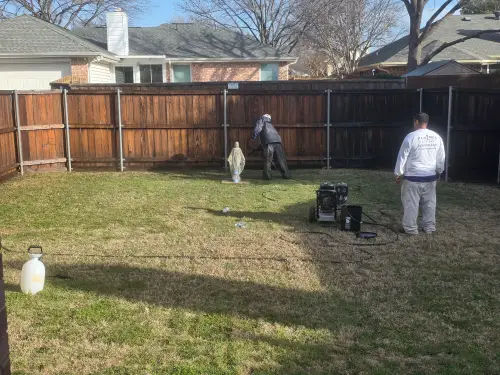
Stain is applied evenly using brushes, rollers, or sprayers. Professional application ensures consistent coverage and proper penetration.
Step 5: Curing
Once applied, the stain needs time to cure. Weather conditions during this phase affect the final durability of the finish.
DIY vs Professional Fence Staining
Many homeowners consider DIY fence staining, but it’s important to understand the differences.
DIY Fence Staining Challenges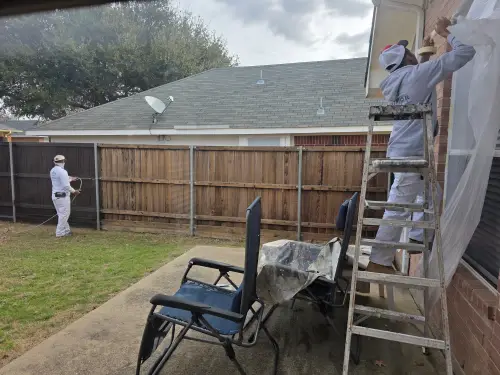
- Inconsistent coverage
- Improper preparation
- Time-consuming process
- Risk of uneven color or premature wear
Benefits of Professional Fence Staining
- Proper cleaning and prep work
- Even, professional application
- Use of high-quality materials
- Faster completion
- Longer-lasting results
Fence staining is one of those projects where preparation and technique make a significant difference. Professional services ensure the job is done correctly the first time.
How PaintMor Painters Helps with Fence Staining
At PaintMor Painters, we understand the unique challenges that North Texas weather presents for wood fences. Our fence staining process is designed to maximize durability, protection, and appearance.
We focus on:
- Thorough surface preparation
- High-quality stain selection
- Even application for consistent results
- Long-term performance in Texas conditions
Our goal is to help homeowners protect their investment while enhancing curb appeal.
Learn more about our fence services.
Fence Staining as Part of Your Spring Home Maintenance Plan
Spring is a natural time to evaluate your home’s exterior. Fence staining fits perfectly into a broader seasonal maintenance routine.
Common spring updates include:
- Lawn care and landscaping
- Pressure washing driveways and patios
- Exterior painting touch-ups
- Fence staining and sealing
By including fence staining in your spring checklist, you ensure your home is ready for the months ahead.
Long-Term Benefits of Fence Staining
Fence staining is not just about appearance—it’s about long-term protection and value.
Benefits include:
- Reduced repair costs
- Extended fence lifespan
- Improved curb appeal
- Increased property value
When done at the right time—especially in spring—fence staining provides maximum return on investment.
Final Thoughts: Timing Makes All the Difference
Fence staining is one of the most important yet often overlooked aspects of home maintenance in North Texas. Spring provides the ideal conditions to protect your fence before summer weather takes its toll.
By choosing the right time, using quality materials, and ensuring proper application, homeowners can significantly extend the life of their fences while improving the overall look of their property.
If your fence is showing signs of wear, now is the perfect time to take action. And when you’re ready for professional results, PaintMor Painters is here to help you get the job done right.