
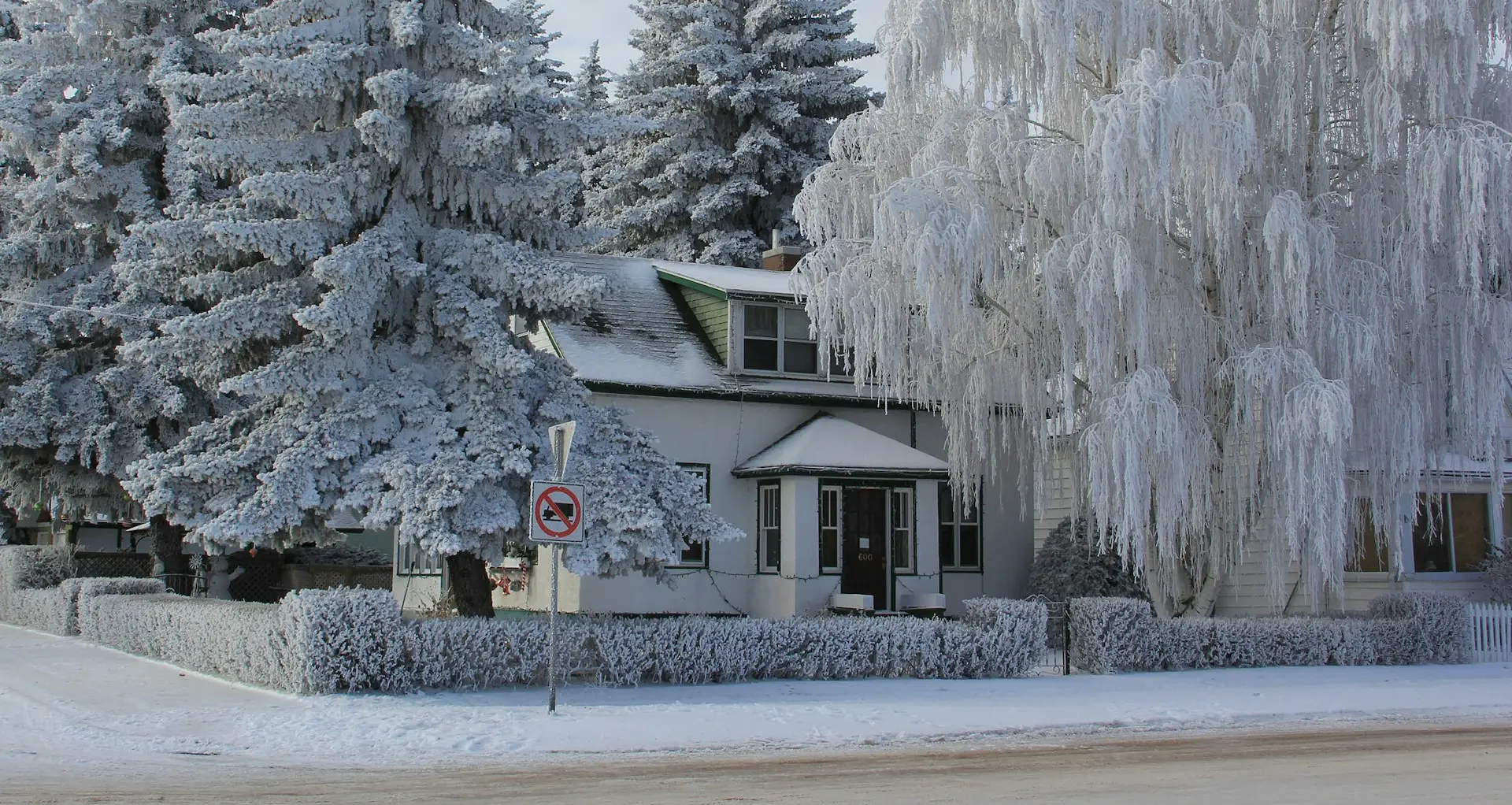
Protecting your home for Texas winters is essential to avoid expensive damage when those surprise cold snaps hit. While winter in Texas is generally milder than in many other states, a sudden freeze can really take a toll on your house and yard. We’ve seen how Texas weather can swing from a balmy 70°F to a full-blown “snowpocalypse” in a matter of days – remember the infamous winter storm of 2021? With December and January being the prime months for chilly weather here, it’s crucial to prep your home so it stays safe, warm, and intact. In this post, we’ll share four key tips for winterizing your Texas home.
These tips are written in a casual, homeowner-friendly tone (no complex jargon here!) and will help you protect your property during the coldest months. Let’s dive in and make sure your home is ready for whatever winter throws at it.
Stay Warm and Safe: Prepare Your Heating System & Fireplace
When temperatures drop in December and January, you’ll be glad you gave your heating system some TLC beforehand. Start by having your furnace or HVAC system inspected and serviced in the fall, before the real cold arrives. Changing your air filters and checking that the furnace is running efficiently can prevent breakdowns on those rare freezing nights. No one wants the heater conking out during a cold snap – that’s a recipe for shivering indoors under five blankets (though keep some cozy blankets handy just in case!).
 If you have a fireplace, now’s the time to get it cleaned and inspected. Creosote buildup in the chimney can be a hazard, so hire a professional chimney sweep or use a proper cleaning log before you start lighting those cozy fires. Also, make sure the flue is working and remember to close the damper when the fireplace isn’t in use to prevent warm air from escaping up the chimney. A well-maintained fireplace not only keeps you warm but also reduces the risk of chimney fires.
Don’t forget about safety devices. Winter is when we often fire up the furnace, space heaters, and fireplaces – all of which can pose risks if something goes wrong. Test your smoke detectors and carbon monoxide (CO) detectors and replace their batteries if needed. (If you don’t have CO detectors yet, please get some – they’re inexpensive life-savers. The risk of carbon monoxide poisoning goes up when heating devices are running without proper ventilation.) It’s also smart to have a fire extinguisher accessible, just in case.
Finally, have a plan for staying warm if a power outage occurs. Texas winters usually don’t knock the power out, but severe ice storms have caused outages before. Keep a stash of warm blankets and maybe invest in a safe alternative heat source. For example, some folks use portable generators or propane heaters – if you do, use them safely (generators must stay outdoors to avoid CO buildup, and space heaters need to be kept away from curtains or anything flammable). By prepping your heating system and safety gear now, you can ensure your home stays warm and safe all winter long.
Prevent Frozen Pipes and Costly Water Damage
One of the biggest winter nightmares for Texas homeowners is a burst pipe. When water freezes, it expands – and if it expands in your pipes, you could be dealing with a soaked house and thousands of dollars in water damage. Let’s avoid that mess! The key is to prevent your pipes from freezing in the first place.
Start with the outdoor plumbing: disconnect garden hoses and drain your sprinkler system well before a freeze hits. Outdoor faucets (hose bibs) are exposed to the elements and can freeze solid in a hard freeze, potentially cracking the pipes inside your walls. Turn off the water supply to your exterior faucets if you can, and then cover each faucet with an insulated cover (those foam caps you can pick up at any hardware store) to keep them snug through the cold. Also, if you have a pool or irrigation lines, make sure those are winterized or drained according to your pool service or manufacturer guidelines.
Protecting exterior faucets with insulated covers can prevent frozen pipes and water damage during severe Texas freezes. These inexpensive foam covers are a must-have for protecting your home for Texas winters.
Next, insulate any exposed pipes that run through unheated areas of your home. Focus on pipes in the garage, attic, crawl space, or along exterior walls. You can buy foam pipe insulation sleeves that snap around the pipes – it’s a quick DIY job that could save you a huge headache. Don’t forget the pipes connected to your water heater and any that run along outside walls of bathrooms or kitchens. In a pinch, even wrapping pipes with old blankets or towels can help in freezing weather. A little insulation goes a long way in keeping those pipes cozy.
Inside the house, when a hard freeze is forecast (say temperatures in the 20s °F or below), take a few extra precautions overnight. Open the cabinet doors under your kitchen and bathroom sinks to let warm air circulate around the pipes. Let your faucets drip slowly – moving water is less likely to freeze, and even if it does, an open faucet relieves pressure so the pipe is less likely to burst. You don’t need to run a lot of water; a slow drip from each at-risk faucet will do. (Just remember to turn them off the next morning!)
Lastly, know how to shut off your water in an emergency. Locate your main water shut-off valve before you ever need it. In many Texas homes, the shut-off is outside near the meter or in the garage. If a pipe does burst, turning off the water quickly can prevent a minor leak from becoming a major flood. It’s also a good idea to have a wrench or “water key” handy to turn off the meter at the street if needed. By taking these plumbing precautions, you’ll greatly reduce the chance of coming home to an unwelcome indoor skating rink this winter.
Seal Up Drafts and Insulate to Keep Winter Out
Your home’s first line of defense against cold weather is its outer shell – walls, windows, doors, and roof. Even small gaps or cracks can let in chilly air (and let out the heat you paid for). Sealing those leaks not only keeps you more comfortable, it also saves money on your energy bills. Think of it as bundling up your house with a nice warm coat while also protecting your home for Texas winters.
Start by hunting for drafts. Common spots for air leaks include around windows and exterior doors, gaps around pipes or cables that enter your house, and even recessed light fixtures in the ceiling. An easy DIY trick is the candle test: on a cold, windy day, hold a candle or incense stick near the edges of doors and windows – if the flame or smoke dances horizontally, you’ve got a draft.
Use weatherstripping or caulk to seal up those drafty spots. Install or replace worn-out weatherstripping on doors, and run a bead of caulk along window frames where you feel cold air seeping in. For larger gaps (like around pipes or wires coming through walls), expandable foam sealant works great to plug the holes.
Don’t forget to check your insulation. Many homes in North Texas weren’t originally built for extreme cold, so they might lack adequate insulation in attics or walls. Adding insulation in the attic especially can make a huge difference in keeping your home warm. If an energy audit from your utility company is available, take advantage of it – they can identify where you’re losing heat. Even without an official audit, you can often tell if your attic insulation is insufficient if you can see the ceiling joists; a deeper layer of insulation (like blown-in cellulose or fiberglass batts) could help.
Insulating exposed pipes with foam sleeves or heat tape helps keep them from freezing and reduces heat loss. Proper insulation is an easy DIY task that can save you from burst pipes and high energy bills in winter.
Another area to consider is your windows. Single-pane windows or older drafty windows can be a big source of heat loss. If new double-pane windows aren’t in the budget, you can improvise: use that clear plastic window film kits to add an extra layer of insulation over windows in the winter. Heavy curtains or thermal drapes can also help keep the cold out at night. It might not be the most glamorous look, but plastic film can be a lifesaver on a frigid January night.
Lastly, take a walk around your home’s exterior and give it a close look. Are there any gaps in the siding or cracks in the foundation where pipes enter? Seal those up with caulk or mortar to block out pests and cold air. Inspect your exterior wood trim and siding for any peeling paint or cracked caulk. The outside wood needs to be protected from the elements, and winter moisture can creep into any exposed nooks and crannies.
If you spot areas where paint is chipped or caulk is missing, do a quick touch-up: scrape off the flaky paint, apply fresh caulk, and cover it with a new coat of paint to seal the wood. This not only keeps your home looking nice but also prevents rot and costly repairs down the line. (If that sounds like more than you want to tackle DIY, consider calling a professional – keeping your home’s exterior well-painted and sealed is something PaintMor Painters can definitely help with!). A well-sealed and insulated home will feel more comfortable and avoid the little problems that cold weather can magnify.
Handle Outdoor Maintenance and Be Prepared for Winter Emergencies
Winter prep isn’t just about the house itself – it’s also about your yard and surroundings, plus being ready for any surprises. Taking care of a few outdoor tasks in advance can prevent big headaches when the cold hits.
First up, clean out your gutters once the leaves have finished falling. Clogged gutters can lead to water overflow, which might then freeze and cause ice buildup along your roof’s edge. Those ice patches (ice dams) can force water under your shingles or add extra weight to the gutters, risking damage. Nobody wants their gutter yanked off the house by a chunk of ice! Grab a ladder on a nice day and clear out leaves and gunk from the gutters and downspouts. It’s not the most fun chore, but it’s way better than dealing with water damage or broken gutters later.
Next, take a look at the trees and branches around your home. Do you have any limbs hanging over your roof or near windows? In an ice storm, those branches can get heavy and snap, potentially falling on your house or knocking out a window. Trim back any overhanging branches, or if a tree looks unhealthy, consider having an arborist check it out before winter. The last thing you want during a storm is a tree branch “knocking uninvited” on your roof.
Winter in Texas can also mean a few nights of dangerous icy sidewalks or steps. We don’t get snow often, but when we do, surfaces can become slick quickly. Stock a bag of pet-safe ice melt or sand to sprinkle on your front steps and driveway if things freeze over. And if you have elderly neighbors, maybe grab an extra bag to help them out too – that’s the Texas neighborly spirit.
Finally, let’s talk about emergency preparedness. It’s always better to be safe than sorry, especially after seeing how some past winter storms caught Texans off guard. Make sure you have a basic emergency kit ready in case you lose power or get stuck at home for a day or two. This should include flashlights (with fresh batteries), a battery-powered phone charger, extra blankets, and some bottled water and non-perishable snacks. If you have a fireplace or wood stove, keep some firewood or fuel handy.
Also consider the “four Ps” of winter safety that Texans often talk about: People, Pets, Pipes, and Plants. People and pets should have a warm place to stay – bring pets inside during freezes (no leaving dogs out in the cold!). Pipes we’ve covered – keep them insulated and dripping as needed. And plants – cover delicate outdoor plants or bring potted ones indoors when a hard freeze is coming. A bedsheet or frost cloth can protect your garden beds from overnight frost. By handling these outdoor and emergency prep steps, you’ll be ready to ride out any winter storm with confidence.
Texas winters might be unpredictable, but with a little preparation, you can make sure your protecting your home for Texas winters just fine. By inspecting your heating system, protecting your pipes, sealing up drafts, and tending to outdoor maintenance, you’ve covered all the bases for a safe and cozy winter. Your home will thank you – and you’ll thank yourself when you’re warm inside and not dealing with burst pipes or leaky roofs! Stay warm, stay safe, and pat yourself on the back for being a prepared homeowner. And if you found these tips helpful, be sure to check out our other home improvement posts. We’re always here to help you keep your home in top shape, through every season. Happy winterizing!