
Summer can be a perfectly good season for exterior home painting in North Texas, but it is not as simple as choosing a sunny day and opening a paint can. Homeowners in Allen, McKinney, and Plano have to account for intense afternoon sun, hot surfaces, humidity, sudden storms, and stretches of triple-digit weather.
When the timing is right, summer offers long daylight hours and plenty of workable days. When the timing is wrong, paint can dry too quickly, struggle to level properly, or fail to bond as well as it should. The difference usually comes down to planning.
A successful summer project starts early in the day, follows the shade around the house, and allows enough time for washing, repairs, priming, painting, and curing. It also requires knowing when conditions have become too hot or unpredictable to keep going.
Here is what North Texas homeowners should know before scheduling an exterior refresh during the summer.
Exterior Home Painting and North Texas Summer Weather
North Texas summers are demanding. Daytime temperatures regularly climb into the 90s, and periods of 100-degree heat are not unusual. Humidity can remain high, while warm overnight temperatures give exterior surfaces less time to cool down.
Those conditions do not automatically rule out exterior home painting. Today’s exterior coatings are made to perform across a range of weather conditions. The important part is following the product’s specific temperature and moisture requirements instead of assuming that every sunny day is a good painting day.
Air temperature is only one part of the equation. Siding, trim, doors, shutters, and metal surfaces exposed to direct sunlight may become considerably hotter than the temperature shown in a weather app. A west-facing wall can be especially difficult during the afternoon, even when the official air temperature appears acceptable.
Paint applied to an overly hot surface may begin setting before it has time to flow and level. That can lead to lap marks, visible brush or roller lines, uneven sheen, or a finish that looks different from one section to the next.
Moisture matters too. A cool morning may seem ideal, but painters still need to account for dew and damp surfaces. At the other end of the day, a coating needs enough time to begin curing before evening moisture develops.
The National Weather Service’s Dallas–Fort Worth climate overview provides useful context for how hot, sunny, and humid the peak summer months can become. For an exterior home painting project, that weather has to be managed rather than ignored.
When Summer Exterior Painting Works Best
The most reliable summer exterior painting schedules usually begin early. Preparation and application can take place while temperatures are lower, followed by a move to another elevation as the sun shifts.
For example, an east-facing wall may be easier to paint before direct morning sunlight heats it. A west-facing side is often better addressed earlier in the day, well before the strongest afternoon exposure. North-facing areas may remain workable longer, while south-facing walls may require more careful scheduling.
In many cases, exterior home painting works best in early summer or during a break from extreme heat later in the season. A few dry, moderate days can provide a better project window than a date selected weeks in advance without considering the forecast.
The exact product also matters. Paints and primers differ in their recommended application temperatures, humidity limits, drying times, and recoat windows. Benjamin Moore’s exterior painting temperature guide explains why homeowners and contractors should consider temperature, humidity, surface conditions, and product instructions together.
There are also times when it is wiser to pause. Painting should be reconsidered when surfaces are extremely hot, rain is expected before the coating can cure, strong winds are carrying dust, or humidity is interfering with drying.
A professional contractor should be willing to adjust the schedule when conditions are poor. Delaying part of the project may be frustrating, but it is better than pushing ahead and compromising the finish.
That flexibility is one of the keys to successful exterior home painting in a North Texas summer.
Signs Your Home Exterior Needs Attention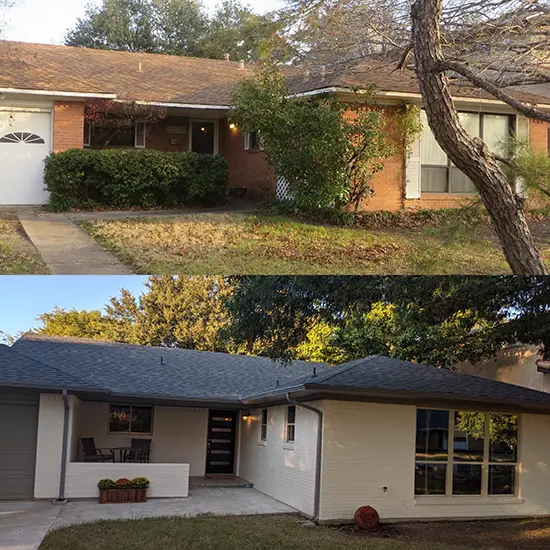
Homeowners often wait until paint is peeling in large sheets before planning a repaint. Exterior wear usually starts with smaller clues.
Fading is one of the most common signs. Strong sunlight gradually breaks down exterior color, particularly on the sides of a home that receive the most direct exposure. You may notice that one elevation looks lighter or duller than the others.
Chalking is another warning sign. If rubbing your hand across the surface leaves a powdery residue, the existing coating may be deteriorating. Cracked caulk, exposed wood, blistering, or small areas of peeling also deserve attention before they become larger repair problems.
A closer inspection may reveal:
- Faded, chalky, peeling, blistered, or cracked paint
- Gaps around windows, doors, trim joints, and other openings
- Bare wood, damaged siding, soft spots, or areas affected by moisture
Homes in Allen, McKinney, and Plano may weather differently depending on their orientation, tree cover, construction materials, and surrounding properties.
A heavily shaded house may retain its color longer but experience moisture in certain areas. A home with very little shade may dry quickly after rain while dealing with more fading and heat exposure.
The best time to paint house exterior surfaces is generally before the existing coating has failed across large areas. Once bare wood or damaged siding is exposed to the weather, the project may require more extensive repairs before painting can begin.
Why Surface Prep Matters in Hot Weather
 Paint cannot make up for poor surface preparation. That is true in every season, but summer heat can make shortcuts more obvious.
A sound exterior home painting project begins with an inspection of the siding, trim, doors, fascia, soffits, shutters, and other coated surfaces. Depending on their condition, the home may need washing, scraping, sanding, caulking, patching, priming, or minor repairs.
Cleaning removes dirt, pollen, mildew, loose residue, and other contaminants that can interfere with adhesion. However, washed surfaces need enough time to dry. A wall may feel dry on the surface while joints, shaded areas, end grain, and porous materials still hold moisture.
Loose paint should be removed back to a stable edge. Glossy surfaces may need to be dulled so that the new coating can grip properly. Bare wood and repaired areas often require primer rather than an extra coat of finish paint.
Failed caulk should also be removed and replaced. Simply covering a cracked joint with paint may improve its appearance briefly, but it does not restore the seal around the opening.
Preparation is also the point when painters may uncover problems that are not really paint issues. Rot, active leaks, damaged siding, and ongoing moisture intrusion should be corrected before a new coating is applied.
This is why an estimate for exterior home painting should involve more than calculating the square footage of the walls. Surface condition, access, sun exposure, materials, repairs, and the sequence of work all affect the project.
Good preparation is not the most dramatic part of painting a home, but it is usually the part that determines how long the finished result will hold up.
How Sun Exposure Affects Exterior Colors
Choosing colors is often the most enjoyable part of an exterior project, but North Texas sunlight can make colors look very different from the small samples viewed indoors.
Place sample colors on more than one side of the house and check them throughout the day. A shade that looks calm beneath a covered porch may appear much brighter on a sunny wall. Warm and cool undertones can also become more obvious when the color is spread across a large elevation.
Darker colors absorb more heat than lighter shades. That does not mean they cannot be used, but the surface material, manufacturer recommendations, and amount of exposure should be considered. A deep color may work well on a front door or shutters while being less suitable for certain types of siding.
Sheen affects the appearance too. Flatter finishes generally hide minor surface imperfections, while higher-sheen coatings reflect more light and may make uneven areas more visible.
Thoughtful color planning helps exterior home painting feel connected to the roof, brick, stone, landscaping, and architectural style of the property. It also reduces the chance of choosing a trendy color that does not look right once it is seen in full summer light.
Professional Exterior Home Painting vs. DIY
Painting a small, easy-to-reach area may be a manageable weekend project. Repainting an entire home is a much bigger commitment.
A whole-house project can involve pressure washing, scraping, sanding, repairs, priming, masking, ladders, sprayers, brushes, rollers, caulk, safety equipment, and several days of favorable weather. Two-story walls, steep grades, rooflines, and difficult trim can add significant safety concerns.
DIY costs can also grow faster than expected. Equipment rentals, tools, paint, primer, repair materials, protective coverings, and cleanup supplies all add to the total. Homeowners then have to account for the time required to complete the work consistently.
Professional exterior home painting provides a more organized process. An experienced crew can prepare several areas efficiently, maintain consistent coverage across large walls, and adjust the daily work plan as sunlight and temperatures change.
Professionals are also more likely to recognize failing caulk, moisture damage, deteriorated wood, and other problems that should be addressed before painting. Catching those concerns early can help prevent a cosmetic refresh from covering a larger maintenance issue.
Another benefit is consistency. A crew that regularly handles summer exterior painting knows how to maintain a wet edge, avoid visible overlaps, and use the appropriate application method for siding, masonry, trim, doors, and detailed surfaces.
The objective is not only to finish the job faster. It is to complete exterior home painting in a way that looks polished and protects the property for years.
How Exterior Painters in North Texas Plan Around the Heat
Experienced exterior painters in North Texas do not follow the same schedule for every house. They evaluate the forecast, property orientation, surrounding shade, materials, and existing paint condition.
A project may begin on the shaded side of the home and move as the sun changes position. Preparation work may continue in one area while another section is being painted. Front doors, garage doors, fascia, and trim may be scheduled separately because those surfaces can heat at different rates.
Professional timing also considers what happens after the crew leaves. Paint needs enough time to begin drying and curing before temperatures change or moisture develops. The required window depends on the specific product, surface, and conditions.
PaintMor Painters offers professional exterior painting services for North Texas homeowners who want help evaluating both the condition of their home and the right time to complete the project.
That local planning matters. A tree-covered Plano home can present different challenges from a newer property in Allen with heavy sun exposure. A McKinney home with brick, siding, wood trim, and several architectural details may require multiple preparation and application methods.
The right schedule should fit the house rather than forcing every house into the same routine.
How PaintMor Painters Helps Homeowners Plan the Right Timing
The first step does not have to be choosing a final color. It can simply be finding out whether the home is ready for paint, which areas need repair, and how the project should be timed.
PaintMor Painters helps homeowners evaluate visible wear, discuss color and finish options, and plan exterior home painting around North Texas weather. This includes avoiding the temptation to rush simply because the forecast shows several sunny days.
A clear project estimate should explain the surfaces being painted, the preparation included, the products being used, and any repairs that may affect the schedule. It should also leave room for weather delays when conditions could harm the finished result.
Summer can offer a convenient project window when work begins early, direct afternoon sunlight is avoided, and the crew can adapt as conditions change. It is also reasonable to pause during extreme heat, high wind, moisture, or approaching storms.
Homeowners in Allen, McKinney, Plano, and nearby communities can contact PaintMor Painters to discuss the condition of their exterior and request a consultation.
Is Summer a Good Time to Paint Your House Exterior?
Yes, summer can be a good time to paint house exterior surfaces in North Texas. The season provides long days and many periods of dry weather, but those benefits have to be balanced against high heat and intense sunlight.
The best results come from treating weather as part of the project rather than something to work through at all costs. Begin early. Follow the shade. Allow washed surfaces to dry. Repair and prime where necessary. Use coatings suited to the material and conditions. Stop when heat, moisture, wind, or rain could affect the finish.
Most importantly, remember that exterior home painting is both a visual improvement and a protective maintenance project. Color creates the transformation, but the timing and preparation beneath it determine how well that transformation lasts.
With careful planning and experienced application, summer can be an entirely workable—and often convenient—season for refreshing a North Texas home.